

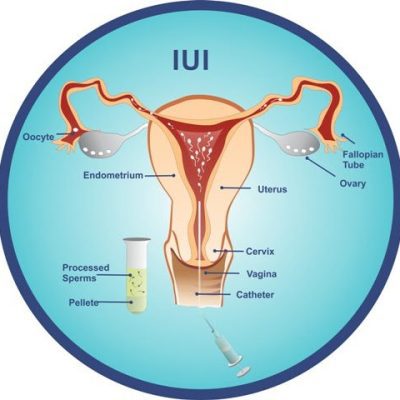
Intrauterine Insemination (IUI) is a fertility treatment that may be considered for individuals or couples experiencing difficulty in conceiving. During the procedure, specially prepared sperm from a partner or donor is placed directly into the uterus around the time of ovulation. This process aims to bring sperm closer to the egg and facilitate fertilization. IUI is generally less invasive than in vitro fertilization (IVF), although its suitability depends on individual fertility factors.
Before insemination, the semen sample undergoes a laboratory process called sperm washing, which separates motile sperm from seminal fluid and other components. The prepared sperm is then placed into the uterus using a thin, flexible catheter. The procedure is generally brief and typically performed without anesthesia, although some individuals may experience mild discomfort or cramping.
IUI may be considered in cases of unexplained infertility, certain male factor infertility conditions, ovulation disorders, cervical factor infertility, or when donor sperm is required. A fertility specialist can assess the individual’s medical history, diagnostic findings, and reproductive health to determine whether IUI is a suitable treatment option.
IUI may be considered for individuals or couples experiencing:
Unexplained infertility
Certain cases of mild male factor infertility
Ovulation disorders, depending on individual fertility factors
Cervical factor infertility
Certain ejaculation or sexual function difficulties
Situations where donor sperm is used
Cases where IUI is considered a suitable treatment option before IVF
The IUI procedure typically involves the following steps:
Fertility Assessment – A fertility evaluation is performed to determine whether IUI is a suitable treatment option.
Ovulation Monitoring – Ovulation may be monitored during a natural cycle or with fertility medications, depending on individual requirements.
Sperm Preparation – The semen sample is processed using sperm washing techniques to prepare and concentrate motile sperm.
Insemination – The prepared sperm is placed into the uterus using a thin catheter around the time of ovulation.
Pregnancy Test – A pregnancy test is generally recommended approximately two weeks after the procedure, as advised by the fertility specialist.
A minimally invasive fertility procedure
Generally a brief outpatient procedure, although mild discomfort or cramping may occur
Typically performed without surgery or hospitalization
Generally involves lower treatment costs compared with IVF, depending on individual circumstances
Places prepared sperm directly into the uterus around the time of ovulation
May be performed using partner or donor sperm, depending on medical and applicable legal requirements

IUI (Intrauterine Insemination) is a fertility treatment in which specially prepared sperm is placed directly into the uterus around the time of ovulation to facilitate fertilization.
IUI is generally a brief procedure that is performed without anesthesia. Some individuals may experience mild discomfort or cramping during or after the procedure.
IUI may be considered for individuals or couples with unexplained infertility, certain cases of mild male factor infertility, ovulation disorders, cervical factor infertility, or those using donor sperm. Suitability depends on individual fertility factors and medical evaluation.
IUI success rates vary depending on factors such as age, sperm parameters, ovulation, and the underlying cause of infertility. A fertility specialist can discuss the likelihood of pregnancy based on individual medical findings.
The number of IUI cycles may vary depending on age, fertility diagnosis, treatment response, and other medical factors. A fertility specialist can review the response to treatment and discuss whether to continue IUI or consider other options, such as IVF.
Neelkanth IVF Centre provides fertility consultations, diagnostic evaluations, and IUI treatment planning based on individual medical requirements. The treatment process may include ovulation monitoring, semen preparation, and insemination procedures as advised by the fertility specialist.
Quick Links