

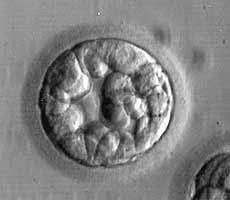
Blastocyst Transfer is a procedure performed as part of In Vitro Fertilization (IVF), in which embryos are cultured in an embryology laboratory for approximately five to six days after fertilization before being considered for transfer into the uterus. During this period, some embryos may develop into the blastocyst stage, which is a later stage of early embryo development.
Culturing embryos to the blastocyst stage allows embryologists to observe their development and assess their suitability for transfer or cryopreservation. In selected cases, blastocyst transfer may support the selection of an embryo for transfer. Single embryo transfer may also be considered to reduce the risks associated with multiple pregnancies. However, embryo development and implantation outcomes vary depending on individual fertility factors.
Blastocyst Transfer may not be suitable for every patient. The decision depends on factors such as the number and development of available embryos, age, previous IVF treatment history, and the fertility specialist’s clinical assessment.
Blastocyst Transfer may be considered for:
Individuals or couples undergoing IVF treatment
Patients with multiple embryos developing during laboratory culture
Patients with previous unsuccessful IVF cycles, depending on clinical evaluation
Patients considering single embryo transfer
Cases where extended embryo culture may assist in embryo assessment and selection
Allows embryologists to observe the development of embryos during extended laboratory culture
May help guide embryo selection for transfer in suitable patients
Supports single embryo transfer, which may reduce the risks associated with multiple pregnancies
Allows embryo transfer at a later stage of early embryo development
Provides additional information about embryo development to support clinical decision-making
A blastocyst is an embryo that typically develops approximately five to six days after fertilization. At this stage, the embryo has undergone several stages of cell division and may be considered for transfer into the uterus or cryopreservation, depending on its development and clinical assessment.
Blastocyst Transfer and Day 3 embryo transfer are different approaches used during IVF treatment. Extended embryo culture allows embryologists to observe embryo development over a longer period. The appropriate stage for embryo transfer depends on factors such as the number and development of embryos, patient age, and individual clinical circumstances.
IVF outcomes following blastocyst transfer vary depending on factors such as age, embryo development, underlying fertility conditions, and previous treatment history. Blastocyst transfer may be considered for selected patients, but it does not guarantee implantation or pregnancy. A fertility specialist can discuss the expected outcomes based on individual medical findings.
Blastocyst Transfer is an established procedure used in IVF treatment. However, like other fertility procedures, it involves certain considerations and potential risks. Extended embryo culture may result in some embryos not reaching the blastocyst stage, and the risks associated with embryo transfer and pregnancy should be discussed with a fertility specialist.
The number of blastocysts transferred depends on factors such as patient age, embryo development, medical history, and applicable clinical guidelines. Single blastocyst transfer may be considered to reduce the risks associated with multiple pregnancies. The appropriate number is determined through individual clinical assessment.
Neelkanth IVF Centre provides fertility consultations, embryo culture procedures, and embryo transfer planning based on individual medical requirements. The fertility team evaluates embryo development and relevant clinical factors to determine the appropriate approach for IVF treatment.
Quick Links