Skip to content


Table of Contents
ToggleRegular Periods Accompanied With Infertility
If you have regular periods and seem to be struggling with getting pregnant, you are certainly not the only one grappling with this peculiar problem. This is often a confusing and frustrating medical problem. Modern technology and medicine offer numerous ways to give you the option to raise biological children, but questions such as why these methods are not yielding successful pregnancies can feel distressing. The ‘why’ will now be answered: regular periods indicate and are a good sign of reproductive health, they unfortunately do not ensure fertility. The reasons we as doctors are able to provide about the chances of fertilization and menstruation not aligning with conception will be discussed below.
What Do You Mean Having Regular Periods?
Periods Normally Come Every 21 to 35 Days. Like most women in the world, it is often said that you have a set cycle with a period occurring every 21 to 35 days. Having a set days cycle is often perceived as good health. Many women often refer to this as having ‘good’ health.
The Significance of Ovulation in Conception
Pregnancy is only possible when a woman physically ovulates, in which an egg is released by the ovary. The only time a woman can become pregnant during a month is when she is ovulating. In case sperm cells reach the egg at this time, fertilization will take place. Thus, even with regular periods, there will be no pregnancy if ovulation does not occur, or if the egg is not capable of being fertilized.
The Most Prevalent Misconceptions Regarding Fertility
Scheduled Menstruation Cycles
Quite a number of individuals with regular cycles assume that pregnancy will occur easily, and they will get a child without much difficulty. This is, however, not true regularly. The fact that the person has regular periods implies that the person does have some underlying ovarian activity, but eggs may be released from the ovaries at random intervals. Do remember that no absolute reliance should be depended upon as far as orderly cycles are concerned.
Links Between Detection of Ovulation and Pregnancy
The person may have a regular schedule of ovulation, but not all the eggs that get released are up to the best of standards. There are factors such as inadequate egg quality or egg related concerns that might arise which put a stop to successful fertilization of the egg. In addition, the possible time for fertilization may also not be suitable.
Potential Factors Affecting Fertility With Regular Menstrual Cycles
Irregular Periods Associated With Hormonal Disorders
Hormonal issues might lead to blighted ovum syndrome, which affects women suffering with regular periods. Problems like an underactive thyroid or high levels of prolactin can disrupt the normal flow of eggs even when your menstruation cycle has no problems.
Polycystic Ovary Syndrome (PCOS)
Women suffering from infertility have PCOS as one of the leading factors. Even women with PCOS are difficult to manage due to the regular monthly cycle. This disorder directly deals with the ovarian and endocrine system and at times halts the discharge of matured ova.
Previous Surgeries
Having a surgery can make it challenging to achieve pregnancy even if your menstruation cycle is seamless. The normal functioning of the ovaries, fallopian tubes and the uterus can become extremely difficult for a woman post-surgery.
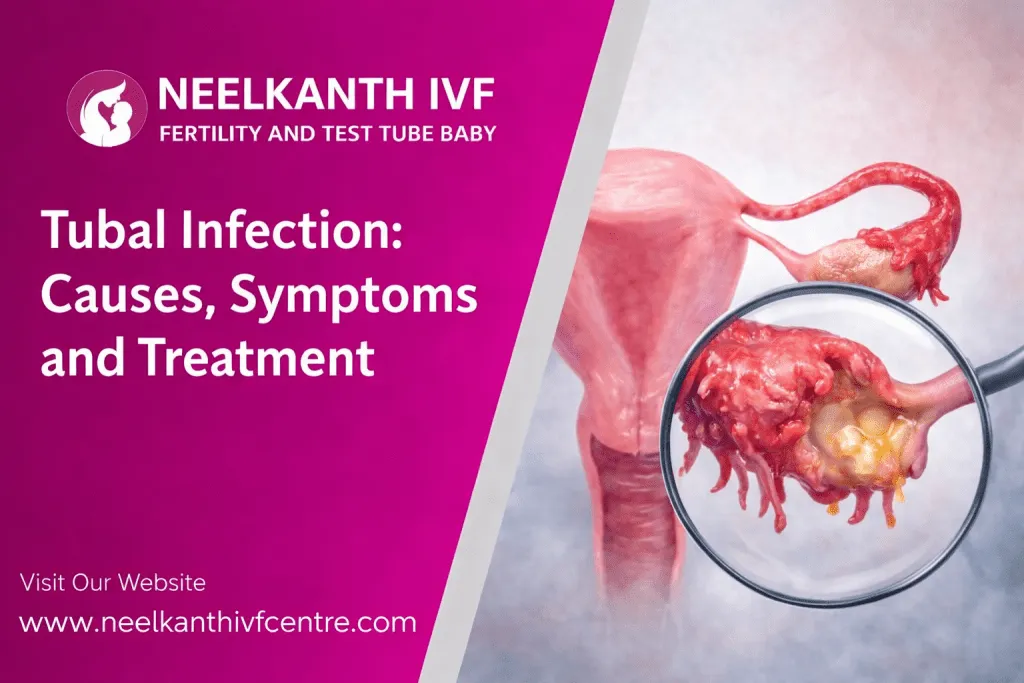
Blocked Fallopian Tubes
Whether your menstruation cycle is perfect or not, blocked or damaged fallopian tubes can inhibit the passage of an egg to the womb. You will require medical assistance to get pregnant if the above condition renders you infertile.
Spermatogenic Activity Deficiencies
Infertility is not solely a women’s problem. Defective sperm, i.e. damaged sperm, an insufficient amount of the seeed, or even motility problems can render it complicated for the mother to become pregnant.
Masculine Constructed Reproductive Issues: Going Beyond The Essentials
Various factors can contribute to male infertility as is the case with varicocele (which refers to enlarged veins encircling the testes), hereditary conditions, or some lifestyle choices such as smoking and excessive drinking. Typically male related sperm issues do not get attended to until a couple decides to go for one together.
Other Factors Contributing To Lower Fertility Rate
The Biology Of Age And Fertility
With the rise of age in a female, so does the quantity and quality of the egg. This especially means that with the presence of regular menstrual cycles, fertility is bound to decline with age. Understanding that getting pregnant over the age of thirty five poses much more relative difficulty along with having to depend on external assistance is very important.
Stress, Diet, Weight and Lifestyle
A healthy lifestyle goes a long way to determine the overall well being of a person. Being overweight or underweight, coupled with lack of proper nutrition and excessive stress can interfere with one’s chances of conception. A balanced diet along with regular exercise can greatly enhance the chances of becoming fertile.
Medical Conditions Capable Of Causing Infertility
Regular medical checkups should be done to stay on track with monitoring chronic conditions like diabetes, autoimmune diseases, and STI’s as these have the potential to interfere with one’s fertility ability even when menstruating regularly. All of the given conditions have the ability to interfere with reproductive health and therefore should be treated with utmost importance.
Ways To Increase Your Likelihood Of Getting Pregnant
Monitoring Ovulation Cycles
It is important to know when to have intercourse, as knowing specifically when you ovulate can greatly increase your chances of conceiving. You can use ovulation predictor kits, monitor basal body temperature, or check the cervical mucus to keep track of ovulation and ovulation cycles.
Keeping a Fit Lifestyle
Living a healthy life by managing and balancing your diet, stress levels, and physical activity improves chances of getting pregnant. Keeping away from smoking and limiting alcohol consumption is beneficial because these greatly affect reproductive health.
When To Consult a Doctor
A person can seek out and consult a medical professional after trying to conceive after a year (six months if you’re 35 or older) without any results. A doctor is able to provide assistance with figuring out any underlying issues that exist and suggest ways to approach them.
Treatments Pertaining To Infertility
Medication for Fertility
Clomid and other medication aimed to aid in boosting fertility level are widely available to women with irregular ovulation. While it is most beneficial for women who do not follow the regular ovulation cycle, other women with a regular cycle can still benefit if the problem is something else entirely.
Intrauterine Insemination (IUI)
Sperm is injected into the uterus during the time period of ovulation to be used in the IUI procedure. This increases the probability of the sperm reaching the egg, especially in cases where the quality of the sperm or the cervical mucus is an issue.
In Vitro Fertilisation (IVF)
During In Vitro Fertilisation, commonly known as IVF, a woman’s egg is fertilized with sperm outside of her body, and then, the fertilized egg is placed in the uterus, or laughed and implanted inside it. IVF or In Vitro Fertilisation is practiced after other treatments to aid conception have not succeeded, or in cases of multiple reproductive health challenges.
Conclusion
Fertility capabilities are complicated. Being able to menstruate does not mean one is able to get pregnant. Numerous different factors come into play when trying to get pregnant. It is important and in some cases even essential to understand, especially while trying to conceive, causes of reproductive health issues. Seek professional help if you require it. Guidance and treatment plans for many are identifiable, assisting individuals deal with fertility problems so they are able to attain the family they have always hoped and desired for.