Skip to content

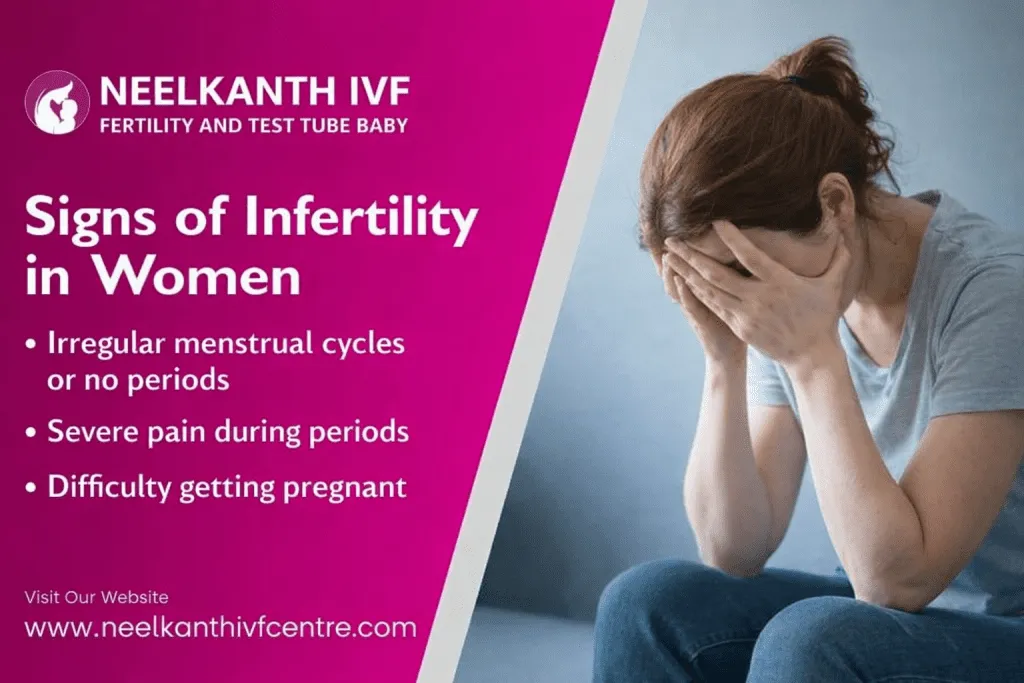
Infertility is an issue that poses a challenge to many women. It is not only physically challenging, but it can also be emotionally draining. Knowing the symptoms indicative of infertility in women is important for timely action. Identifying the symptoms can help women take appropriate medical intervention and even consider other options. If you are experiencing issues getting pregnant, or suspect something is amiss, it is important to know what symptoms may indicate trouble.
Table of Contents
ToggleWhat is Infertility?
It is defined as the inability to conceive after one year of trying to get pregnant. In women, infertility can be caused by number of factors including age, genetics and problems with the reproductive system. Infertility is generally classified into two types: primary infertility and secondary infertility. Primary infertility is defined to women who have never been able to get pregnant, whereas, labeled secondary infertility is for those who had once conceived but are unable to get pregnant again.
Common Causes of Infertility in Women
There are several common causes of infertility in women, including these conditions:
Ovulatory Disorders: Conditions such as PCOS (polycystic ovary syndrome), which is characterized by cysts on ovaries, can hinder the ability to ovulate, disrupting a woman’s normal reproductive cycle, and increasing the risk for infertility.
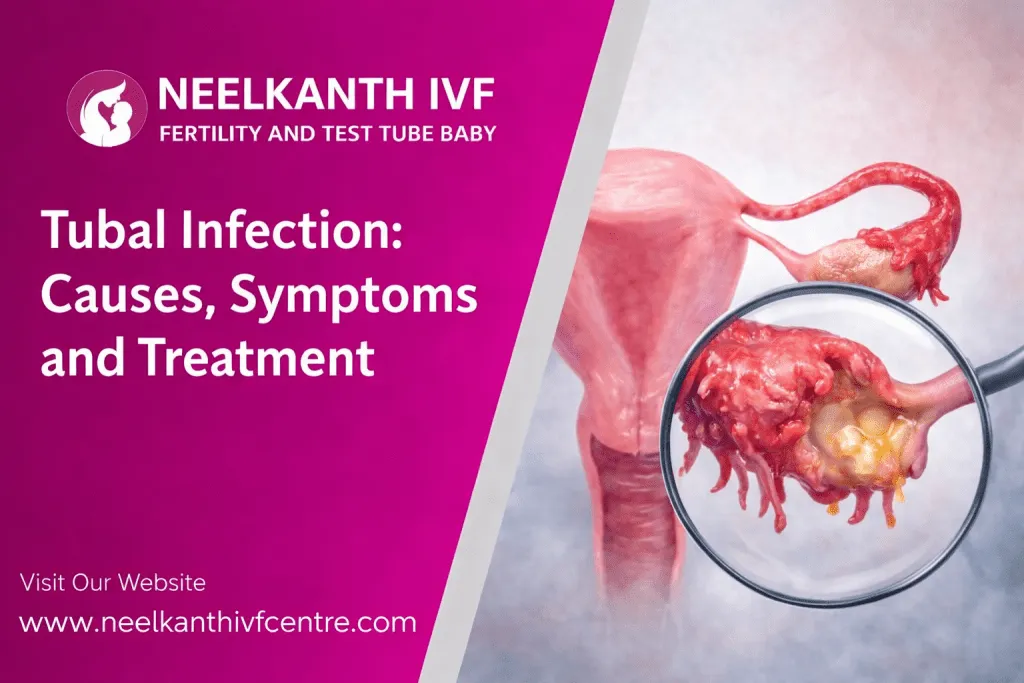
Damaged or Scarred Tubes: Blocked or scarred fallopian tubes can prevent sperm from meeting an egg. This is common after pelvic inflammatory disease (PID) or certain surgical procedures.
Uterine Difficulties: Irregularities with the uterus such as fibroids may prevent proper implantation of the embryo or result in miscarriage, thus interfering with a women’s fertility.
Aging: With age, the number and quality of a woman’s eggs declines, thus making it more difficult for her to become pregnant.
Physical Signs of Infertility in Women
Women tend to experience certain observable indicators that could suggest issues surrounding infertility. These indicators are primarily attributed to hormonal issues affecting the ovaries, abnormalities with the reproductive organs, or other syndromes. Common physical indicators consist of:
Irregular Menstrual Cycles: Women suffering from infrequent, irregular, or absent periods may be dealing with underlying issues surrounding ovulation. Irregular cycles make it challenging to predict when conception is most likely to occur.
Heavy or Painful Periods: If ovaries or lower abdomen is inflamed, or if there is abdominal or pelvic pain accompanied by heavy periods suggests the presence of underlying disorders such as endometriosis or uterine fibroids which may result in infertility.
Absence of Periods: Complete absence of periods (amenorrhea) may develop due to excess stress, hormonal imbalance, or even due to several underlying medical conditions impacting the biological clock and reproductive function.
Unexplained Weight Gain: Gradually increasing weight, particularly abdominal obesity may be due to hormonal disorders like PCOS which is one of the known causes of female infertility.
Excessive Facial or Body Hair: Increased body or facial hair among women suffering from polycystic ovarian syndrome is a condition called hirsutism, which indicates an imbalance of hormones and potential problems with childbearing.
Emotional and Psychological Signs of Infertility
The psychological effects of infertility can substantially impact a woman’s wellbeing. Clinically diagnosed infertility has many emotional ramifications such as:
Stress and Anxiety: Once a woman becomes desperate to conceive a child in her life, especially after the third attempt at pregnancy, she becomes highly anxious as well as stressed. In fact it can lead to never-ending worry over medical interventions with a chance of becoming childless permanently.
Emotional Depression: It is common for women struggling with infertility to report feelings of isolation, depression, or being an outcast, particularly when they are surrounded by people who get pregnant effortless.
Hormonal Imbalances and Infertility
Hormonal imbalances substantially affect a person’s ability to reproduce. It can hinder ovulation, disrupt the reproductive organs, and lead to other issues pertaining to fertility.
Symptoms of Hormonal Imbalance: Irregular menstruations, sudden change in weight, acne, and abnormal increase in body hair are some of the common symptoms. Hypersecretion or hyposecretion of key reproductive hormones such as estrogen and progesterone make conception complicated.
Fertility and Thyroid Disorders: Thyroid problems such as Hyper and Hypo Thyroidism tend to impact the regularity of the menstrual cycle and ovulation which is crucial for fertility.
Polycystic Ovary Syndrome and Infertility: This syndrome also affects women of childbearing age by causing irregular periods, hormonal imbalance and cysts on the ovaries leading to infertility.
The Role of Age in Female Fertility
As is widely accepted, age is an important determinant of a woman’s fertility. Women of reproductive age experience a rapid decline in the quantity and quality of their eggs, and therefore, experience reduced fertility.
How Age Impacts Women’s Fertility:
Women in their thirties may undergo a mild decrease in fertility, and after 35, the rate of decline accelerates. The likelihood of a miscarriage, along with other genetic disorders, also escalates with advancing age.
Decrease in Fertility with Advancing Age: With advancing age, the number of viable eggs starts to diminish, along with the ability to conceive naturally.
Importance of Seeking Medical Advice
Actively noticing signs of infertility warrants immediate medical attention. A deep dive into the unexplored factors with a fertility specialist could aid in understanding the reasons and explore treatable routes.
When Is It Time to See a Physician For Help?: If you have been actively trying to conceive for a year without success, it’s best to consult a professional. If you are over 35 years of age, this time period shortens to 6 months. Your doctor might test for hormonal imbalance, issues with menstruation, semen quality, or other concerning factors.
Tests To Diagnose Issues Related To Sterility Or Infertility: These tests could be blood work, imaging such as ultrasounds, as well as laparoscopic examinations of the reproductive organs.
Lifestyle Factors That Can Affect Fertility
Your lifestyle has the potential enhance or hinder your reproductive capabilities. These include diet, physical activity, smoking, and stress.
Diet and Exercise: Keeping a healthy weight and a balanced diet increases your chances of conceiving. Hormone regulation and fertility may also be enhanced by regular exercise.
Smoking and Alcohol Consumption: Smoking and heavy drinking negatively affects fertility. Egg quality is damaged by smoking and ovulation is disrupted by alcohol.
Stress Management: Chronic stress can lead to hormonal imbalances which interfere with reproduction. Controlling stress by relaxation methods and being more mindful helps improve your fertility.
Infertility Treatment Options for Women
If you have infertility issues, you have the following treatment options:
Medications and Fertility Drugs: For women who don’t regularly ovulate, medications such as Clomid can induce ovulation.
In-vitro Fertilisation (IVF): IVF is one of the most widely used methods of assisted reproduction, which involves the fertilization of the egg externally and its subsequent implantation into the uterus.
Surrogacy and Adoption: Women who cannot carry babies may start a family through surrogacy or adoption.
Preventing Infertility
Some factors contributing to infertility may not be preventable, but certain lifestyle choices can aid in safeguarding reproductive health.
How To Maintain Reproductive Health: Staying physically active, eating nutritious food, as well as staying away from harmful habits like smoking and heavy drinking can greatly enhance fertility.
Reducing The Risk of Sexually Transmitted Infections: Practicing safe intercourse helps to shield one from STIs, thus protecting one from infections that would otherwise result in infertility.
Conclusion
It is important to recognize the signals of infertility in women’s bodies, as it enables timely diagnosis and treatment. If you suspect that you have a medical condition associated with your reproductive health, seek help. With appropriate treatment and through dedicated medical care, a majority of women struggling with infertility can access the services to support them, including the surgery to remove the tubes that would otherwise lead to pregnancy and successfully achieving their reproductive goals.